Service File Dossier de service
- Reg. #Matr. # 2655
- RankGrade Staff Sergeant · RCMP Sergent d’état-major · GRC
- NameNom Arthur Hobbs, DVM
- BornNé 1871
- ProfessionProfession Doctor of Veterinary Medicine (DVM) · Qualified by age 20 Docteur en médecine vétérinaire (DMV) · Qualifié à 20 ans
- RCMP ServiceService GRC Joined 1891 · Veterinarian, Saskatchewan & Alberta · Career span 13 years · Purchased discharge late February 1904 Entrée 1891 · Vétérinaire, Saskatchewan et Alberta · Carrière de 13 ans · Rachat de libération fin février 1904
- AccidentAccident 1903 · Serious kick to the head by a horse · Reported in Commissioner’s Annual Report to Parliament, 1903 (p.68) 1903 · Coup de sabot grave à la tête par un cheval · Signalé dans le Rapport annuel du Commissaire au Parlement, 1903 (p.68)
- DiedDécédé Age 57 · Ponoka Mental Hospital, Ponoka, Alberta · September 1928 57 ans · Hôpital psychiatrique de Ponoka, Ponoka, Alberta · Septembre 1928
- BuriedInhumé Edmonton Cemetery · Edmonton, AB Cimetière d’Edmonton · Edmonton, AB
The life of Reg.#2655, Doctor, Staff Sergeant Arthur Hobbs, DVM was one of tragedy and sadness. He died suddenly at the age of 57 in a Ponoka, Alberta mental hospital, in a very unexpected way, and without any warning.
Very little is known about Arthur Hobbs’ early life, but he was born in 1871 and he was reputed to be highly intelligent. He nurtured a great love for horses, and this interest turned him to pursue academic studies. The location of his professional schooling is not known, but by the time he was twenty years of age Arthur Hobbs was fully trained as a veterinarian.
Dr. Hobbs joined the RCMP in 1891 at the rank of Staff Sergeant. He was employed as a veterinarian throughout Saskatchewan and Alberta. His services were in high demand due to the role of horses in police work in the early days of the Force, and he was considered a reliable employee until one day when he met with a debilitating work related accident. In 1903, Dr. Hobbs received a serious kick to the head by a horse. The accident was of such significance that it was reported in The Commissioner’s Annual Report of the North West Mounted Police to Parliament. 1903 (p.68).
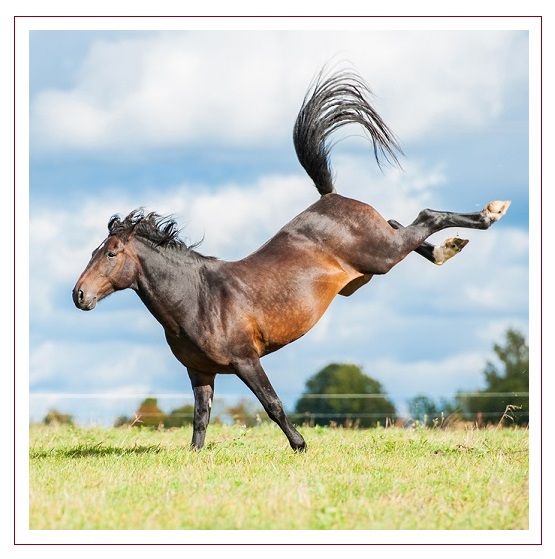
After the horse kick, Dr. Hobbs’ whole private and professional life was immediately turned upside down. The trauma of the horse kick to his head caused an internal concussion and serious damage to the brain. Although not noticeable, the horse kick most likely resulted in bruises to the brain, broken blood vessels and nerve damage. In turn, these injuries undoubtedly led to dizziness, headaches, nausea, and periods of depression. Sadly, his injuries were mostly left undetected due to medical limitations and the lack of technical and diagnostic tools at the time. Over the next several months, Dr. Hobbs’s physical ability and his functioning diminished, and he was more and more seriously affected by the horse kick. As time went on, it was necessary for Dr. Hobbs to quit his veterinarian work with the Force, and after a career which spanned 13 years, he ‘purchased his discharge’ in late February, 1904. Dr. Hobbs remained in Alberta, but for the next several years after the Force, he continued to suffer from the effects of the horse kick to his head. By 1927, his mental and physical condition worsened. He complained of headaches and dizziness. It was necessary that Dr. Hobbs be hospitalized.
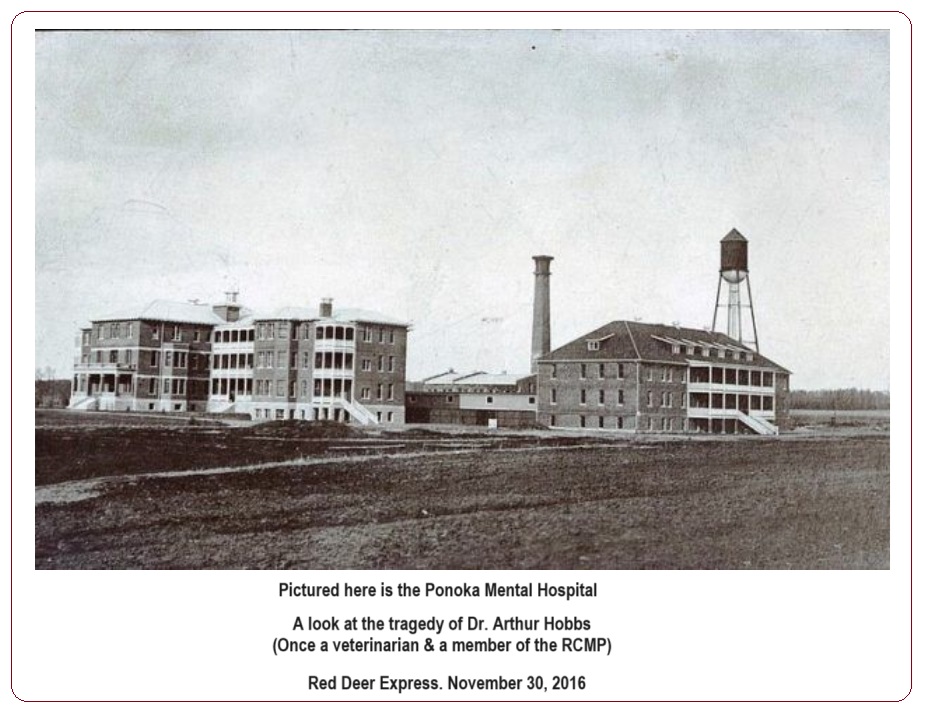
After his admission to the Ponoka Mental Hospital, and without any warning, Dr. Hobbs’ life took a nasty and deadly turn. The tragic story of Dr. Hobbs was retold in the Red Deer Express, November 30th, 2016. Briefly, this is the chain of events as told in the Red Deer Express.
Red Deer Express · November 30, 2016 Red Deer Express · 30 novembre 2016
“In May, 1927, Dr. Hobbs was admitted as a patient to the Ponoka Hospital. He suffered from headaches likely caused by previously having been kicked in the head by a horse. In the hospital, he thought that someone wanted to poison him, so he refused to eat. Efforts to encourage him and force him to eat and drink failed.
On September 15th, 1928, a new hospital attendant, Russell Lord, attempted to feed Dr. Hobbs his lunch. When Lord’s efforts failed, a more experienced attendant, Walter Scott, came along to help.
Dr. Hobbs continued to resist eating. Walter Scott lost his temper, then Scott began to hit Hobbs severely on the head and chest. Although Dr. Hobbs was put into a straightjacket, and taken to another room, Hobbs’ beatings continued.
After an investigation, Walter Scott was charged with manslaughter. In court, Justice Frank Ford ruled that Scott was guilty as charged. Scott was then sentenced to five years imprisonment at the Prince Albert Penitentiary.”
In the next segment, the story involving Dr. Hobbs takes a surprising new twist.
A New Chapter in the Story of RCMP Dr. Hobbs, DVM Un nouveau chapitre dans l’histoire du Dr Hobbs, DMV, de la GRC

But, the story of Dr. Hobbs did not end on the day that he was murdered in the Ponoka Mental Hospital. A new chapter of the story came to light recently when I received an email from Reg.#36373, RCMP Corporal Peter Ross. Now retired Corporal Ross wrote,
Letter · Reg.#36373, Corporal Peter Ross (Retired) · RCMP Lettre · Matr.#36373, Caporal Peter Ross (retraité) · GRC
“Hi Joe,
My name is Peter Ross. I served in the RCMP from 1980 to 2009. Some time ago, I learned that my maternal grandmother Eleanor Wear’s sister Elsie was married to the assailant and Ponoka hospital worker Walter Scott. Back in the 1920’s, my aunt Elsie Wear was a nurse at the Ponoka Institution, and that’s where Elsie and Walter Scott first met. More recently, I learned that Dr. Hobbs was an RCMP member after I checked your website (rcmpgraves.com). I was familiar with Walter Scott’s situation, however, after finding the Red Deer Express newspaper article, I learned a somewhat different version of the story.
It all began one day in September, 1928, when Walter Scott murdered former RCMP Veterinarian Dr. Arthur Hobbs. Ultimately, Walter Scott was charged and convicted of manslaughter. He was sentenced to serve five (5) years in prison.
Needless to say this story isn’t a proud moment in our family history, nor is it a proud moment in my life as a member of the Force. But, when I joined the Force in 1980, I traveled to ‘Depot’ Division in Regina via car, and I actually stayed with my “Aunt Elsie & Uncle Walter” Scott in Ponoka for a couple nights. Walter Scott was born in 1900 in Scotland, and he passed away in 1979 in Ponoka, AB. I later learned that he was cremated, and his ashes were scattered.
I had no idea of Uncle Walter Scott’s past history as the one who killed Dr. Hobbs, however, over the past few years I have learned a few little secrets from my 96 year old Mom who now has dementia.
Anyway, I am supplying the story of Dr. Hobbs to you as the official keeper of RCMP facts, and I might as well have the truth out there for future generations.” (RCMP Corporal Peter Ross)
The end.
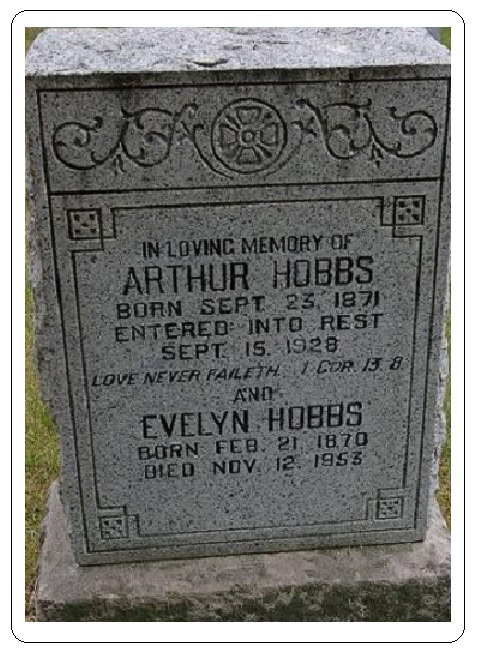
In Memory of Reg.#2655, RCMP Dr. Arthur Hobbs, DVM · Edmonton Cemetery · Edmonton, AB · R.I.P.
Courtesy of AJH ‘Joe’ Collinson · RCMP Vets Edmonton, AB · 2012
References Références
Report of the North West Mounted Police. 1903.
https://rcmpva.org/wp-content/uploads/2017/01/1904v38i11p28_0218.pdf
Red Deer Express. November 30, 2016.
Read: A look at the tragedy of Dr. Arthur Hobbs · November 30th, 2016
J. J. Healy
December 23, 2023
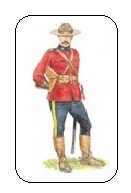
Reg.#2655 · Staff Sergeant Arthur Hobbs, DVM · Vet of the Month · December 2023 · rcmpgraves.com Matr.#2655 · Sergent d’état-major Arthur Hobbs, DMV · Vétéran du Mois · Décembre 2023 · rcmpgraves.com
↑ Back to Top ↑ Retour en Haut ← Back to Vet of the Month ← Retour au Vétéran du Mois