Service File Dossier de service
- Reg. #Matr. # 1361
- RankGrade Staff Sergeant — NWMP / RCMP Adjudant — NWMP / GRC
- NameNom Alexander ‘Sandy’ Alexander
- BornNé Aberdeenshire, Scotland Aberdeenshire, Écosse
- Joined NWMPEntrée NWMP 1885 — Chatham, ON · Age 23 · Trained farrier 1885 — Chatham, ON · Àge : 23 ans · Maréchal-ferrant qualifié
- PostedAffecté Medicine Hat, AB · Maple Creek, SK · Yukon (Gold Rush) · ‘Depot’ Division, Regina, SK · Fort Macleod, AB Medicine Hat, AB · Maple Creek, SK · Yukon (Ruée vers l’or) · Division « Dépôt », Regina, SK · Fort Macleod, AB
- NotableNotable Shot in the neck by “Steel Fire”, Cochrane Crossing, AB, 1891 · Coronation Contingent, King George V, 1911 Blessé d’une balle au cou par « Steel Fire », Cochrane Crossing, AB, 1891 · Contingent du couronnement, Roi George V, 1911
- BuriedInhumé Union Cemetery, Fort Macleod, AB · Beside his wife · Grave found by Volunteer Mr. Reg Keatley, Calgary, AB, 2010 Cimetière Union, Fort Macleod, AB · Aux côtés de son épouse · Tombe trouvée par le bénévole M. Reg Keatley, Calgary, AB, 2010
- SourceSource RCMP Quarterly, Obituaries, V7(4), April 1940, p. 400 GRC Quarterly, Nécrologies, V7(4), avril 1940, p. 400
Affectionately tagged as ‘Sandy’, Alexander Alexander was born in Aberdeenshire, Scotland. After immigrating to Canada, Alexander joined the NWMP in 1885 at Chatham, ON. He was 23 years of age.
Affectueusement surnommé ‘Sandy’, Alexander Alexander est né dans l’Aberdeenshire, en Écosse. Après avoir immigré au Canada, Alexander a rejoint la NWMP en 1885 à Chatham, ON. Il avait 23 ans.
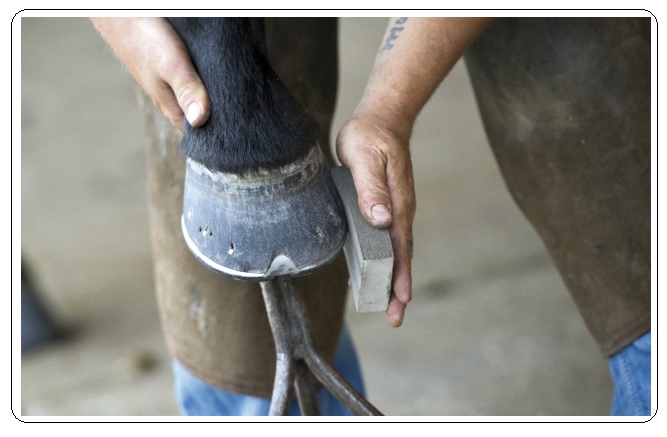
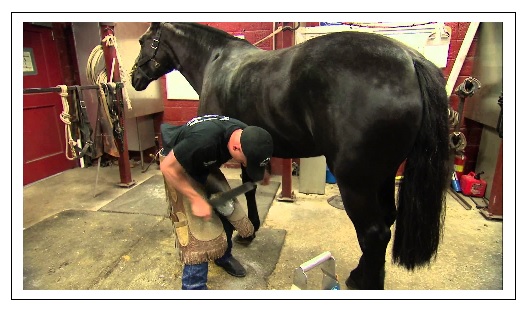
Expertly trained as a farrier, Alexander was around horses from the time he was born so his well learned skills pertaining to horses undoubtedly helped him secure a job with the North West Mounted Police (NWMP). In all likelihood, however, Alexander never realized the inherent dangers which would accompany his chosen career in the NWMP especially a critical incident which he faced many years later in Alberta.
Expertement formé comme maréchal-ferrant, Alexander était entouré de chevaux depuis sa naissance, si bien que ses compétences bien acquises relatives aux chevaux l’ont sans aucun doute aidé à décrocher un emploi avec la Police montée du Nord-Ouest (NWMP). Cependant, il est fort probable qu’Alexander n’ait jamais réalisé les dangers inhérents qui accompagneraient sa carrière choisie dans la NWMP, en particulier un incident critique auquel il fut confronté de nombreuses années plus tard en Alberta.
One day in 1891, Reg.#683, Staff Sergeant Chris Hilliard led a small party of NWMP from Stand Off Detachment, a few miles southwest of Lethbridge, AB., to intercept whiskey smugglers that scouts had spotted earlier in the day. Meanwhile, Reg.#1361, Constable ‘Sandy’ Alexander & Reg.#2223 Constable ‘Paddy’ Ryan broke away from Staff Sergeant Hilliard to scout the area further downstream and cross over the river at Cochrane Crossing.
Un jour en 1891, le Matr.#683, l’adjudant Chris Hilliard dirigea un petit groupe de la NWMP depuis le détachement de Stand Off, à quelques milles au sud-ouest de Lethbridge, AB., pour intercepter des contrebandiers de whisky que des éclaireurs avaient repérés plus tôt dans la journée. Entre-temps, le Matr.#1361, le gendarme ‘Sandy’ Alexander et le Matr.#2223, le gendarme ‘Paddy’ Ryan se séparèrent de l’adjudant Hilliard pour explorer la zone plus en aval et traverser la rivière à Cochrane Crossing.
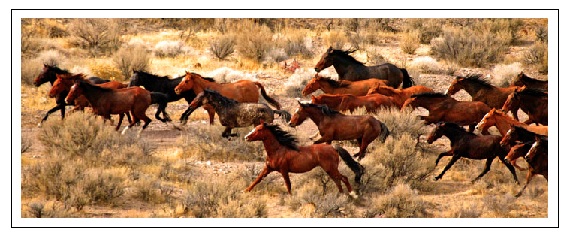
Unexpectedly, the pair of NWMP saw riders in the distance, and as the group neared, Constable Alexander and Constable Ryan found the Aboriginals in possession of freshly killed steer meat.
De façon inattendue, les deux membres de la NWMP aperçurent des cavaliers au loin, et lorsque le groupe s’approcha, le gendarme Alexander et le gendarme Ryan trouvèrent les Autochtones en possession de viande de bœuf fraîchement tué.
As Constable Alexander approached the riders, “Steel Fire” suddenly shot Alexander in the neck almost at point blank range. Instinctively, Constable Ryan drew his revolver and shot “Steel Fire”. The Aboriginals were arrested. “Steel Fire” was handed a two month sentence in prison.
Alors que le gendarme Alexander s’approchait des cavaliers, « Steel Fire » tira soudainement sur Alexander dans le cou, presque à bout portant. Instinctivement, le gendarme Ryan dégagea son révolver et tira sur « Steel Fire ». Les Autochtones furent arrêtés. « Steel Fire » fut condamné à deux mois de prison.
The wounds to “Steel Fire” and to Constable Alexander were not serious and they both soon recovered, but the incident highlighted the unexpected dangers of patrols on the prairies and the real possibility of death which all NWMP faced every day. Constable Alexander would relive the close call with death for the remainder of his life.
Les blessures de « Steel Fire » et du gendarme Alexander n’étaient pas graves et ils se rétablirent tous deux rapidement, mais l’incident mit en lumière les dangers imprévus des patrouilles dans les prairies et la réelle possibilité de mort à laquelle tous les membres de la NWMP étaient confrontés chaque jour. Le gendarme Alexander revivrait cette échappée belle avec la mort pour le reste de sa vie.

Alexander successfully progressed through the ranks with the NWMP. In the early years, he was posted to Medicine Hat, AB., and Maple Creek, SK., and at the time of the Gold Rush, he found himself in the Yukon when a significant increase in a police presence was required due to the massive influx of thousands of gold explorers.
Alexander progressa avec succès dans les rangs de la NWMP. Dans les premières années, il fut affecté à Medicine Hat, AB., et Maple Creek, SK., et au moment de la Ruée vers l’or, il se retrouva au Yukon où une augmentation significative de la présence policière était requise en raison de l’afflux massif de milliers de chercheurs d’or.
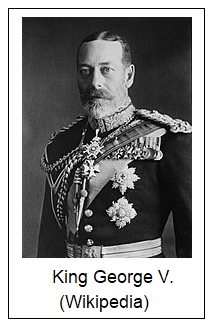
After some years in the Yukon, Alexander’s farrier skills were required elsewhere so he was transferred first to ‘Depot’ Division in Regina, SK., and later to Fort Macleod, AB. His career with the NWMP progressed favourably, and in 1911, Alexander was chosen as a member to ride in the Coronation Contingent for King George V.
Après quelques années au Yukon, les compétences de maréchal-ferrant d’Alexander étaient requises ailleurs, si bien qu’il fut d’abord muté à la Division « Dépôt » à Regina, SK., puis plus tard à Fort Macleod, AB. Sa carrière dans la NWMP progressa favorablement, et en 1911, Alexander fut choisi comme membre pour monter dans le Contingent du couronnement du Roi George V.
Staff Sergeant Alexander’s career with the NWMP was often summed up as exemplary. He could easily be described as a man of his time — he possessed valuable skills as a farrier upon first joining the ranks of the NWMP, he displayed courage when faced with dangerous and life threatening situations, he accepted numerous transfers across the western plains, he was honest and reliable and he held up only the best interests of the Force.
La carrière de l’adjudant Alexander dans la NWMP était souvent décrite comme exemplaire. On pourrait facilement le décrire comme un homme de son temps — il possédait de précieuses compétences en tant que maréchal-ferrant lors de son entrée dans les rangs de la NWMP, il fit preuve de courage face à des situations dangereuses et qui menaçaient sa vie, il accepta de nombreuses mutations à travers les plaines de l’Ouest, il était honnête et fiable et ne défendait que les meilleurs intérêts de la Force.
‘Sandy’ Alexander’s funeral was well attended by his long time associates from the NWMP. In his eulogy, his close friend Reverend Arthur J. Sinclair repeated Alexander’s often stoic and somewhat blunt view of death, the Minister said, “It comes to all of us, we can’t avoid it, but we can go out like a man with the flag flying.”
Les funérailles de ‘Sandy’ Alexander furent bien fréquentées par ses anciens collègues de la NWMP. Dans son éloge funèbre, son ami proche le révérend Arthur J. Sinclair rappela la vision souvent stoïque et quelque peu directe d’Alexander face à la mort, le ministre dit : « Elle nous vient à tous, nous ne pouvons pas l’éviter, mais nous pouvons partir comme un homme avec le drapeau qui flotte. »
In the closing minutes of the funeral service, Reverend Sinclair noted that the flag which was used to drape Staff Sergeant Alexander’s casket reminded him of a man who knew the real definition of courage. These sentiments truly summed up Alexander’s life.
Dans les dernières minutes du service funèbre, le révérend Sinclair nota que le drapeau utilisé pour draper le cercueil de l’adjudant Alexander lui rappelait un homme qui connaissait la véritable définition du courage. Ces sentiments résumaient vraiment la vie d’Alexander.
Staff Sergeant Alexander was buried beside his wife in Union Cemetery at Fort Macleod, AB.
L’adjudant Alexander fut inhumé aux côtés de son épouse au cimetière Union à Fort Macleod, AB.
Source
Source
Royal Canadian Mounted Police. Quarterly. Obituaries. V7(4). April. 1940. p.400
Gendarmerie royale du Canada. Quarterly. Nécrologies. V7(4). Avril. 1940. p.400
Reporting from Fort Healy,
J. J. Healy
July 23, 2011
Reportage depuis Fort Healy,
J. J. Healy
23 juillet 2011
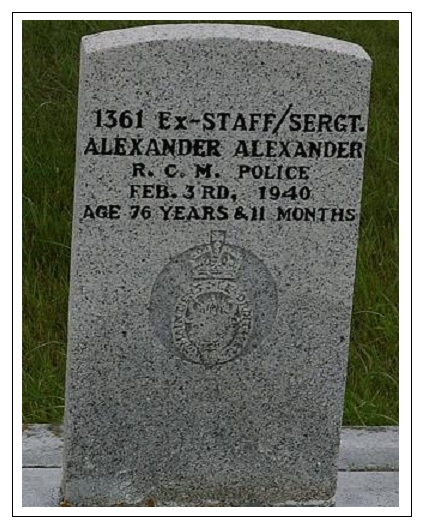
Reg.#1361, Staff Sergeant Alexander Alexander
was buried in the Union Cemetery, Fort Macleod, AB.
His grave was found by Volunteer Mr. Reg Keatley. Calgary, AB. 2010.
Matr.#1361, l’adjudant Alexander Alexander
fut inhumé au cimetière Union, Fort Macleod, AB.
Sa tombe a été trouvée par le bénévole M. Reg Keatley. Calgary, AB. 2010.
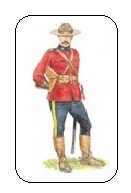
Reporting from Fort Healy · J. J. Healy · July 23, 2011 Reportage depuis Fort Healy · J. J. Healy · 23 juillet 2011
↑ Back to Top ↑ Retour en Haut ← Back to Vet of the Month ← Retour au Vétéran du Mois