Service File Dossier de service
- Reg. #Matr. # o185
- RankGrade Sub Constable · North West Mounted Police (NWMP) Sous-constable · Police à cheval du Nord-Ouest (NWMP)
- NameNom James Halpenny
- BornNé 1856 · Ottawa, ON 1856 · Ottawa, ON
- Joined NWMPEntrée NWMP March 28, 1874 · One of the original 300 NWMP 28 mars 1874 · L’un des 300 membres fondateurs de la NWMP
- NotableNotable Participant in the March West of 1874 · ‘A’ Division under Inspector W. D. Jarvis · Part of the group that established Fort Saskatchewan, AB Participant à la Grande Marche vers l’Ouest de 1874 · Division ‘A’ sous le commandement de l’inspecteur W. D. Jarvis · Membre du groupe qui a établi le Fort Saskatchewan, AB
- DischargedLibéré May 31, 1877 · Term expired 31 mai 1877 · Terme expiré
- DiedDécédé May 6, 1933 · Age 77 · Yakima County, Washington, USA · Buried at Tahoma Cemetery, Washington State, USA 6 mai 1933 · À 77 ans · Comté de Yakima, Washington, É.-U. · Inhumé au cimetière Tahoma, État de Washington, É.-U.
- BrotherFrère Reg.#84A Sub Constable Joseph Halpenny · NWMP (joined after the March West) · Died June 20, 1910 · Anaconda, Montana · Place of burial not yet known Matr.#84A Sous-constable Joseph Halpenny · NWMP (entré après la Grande Marche) · Décédé le 20 juin 1910 · Anaconda, Montana · Lieu de sépulture non encore connu

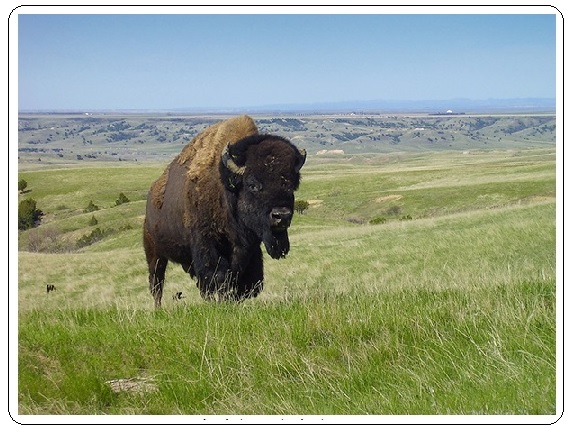
On May 23, 1873 a bill was passed in Parliament to provide for a police force in Canada’s North West Territories. The North West Mounted Police (NWMP) was born. In the years leading up to the formation of the NWMP a host of serious reasons existed for a mounted unit to urgently bring law and order to the west and to stabilize social and political conditions on the plains; whiskey traders had invaded Canada from nearby American states, the abuse of liquor had become wide spread, pioneers who wanted to settle felt unsafe, skirmishes had broken out among Aboriginal tribes, lawlessness, crime and murder were reported, and a declining buffalo herd had led to a lack of food and hunger among an uneasy Aboriginal population. Whatever peace had once existed had turned into rapid deterioration.
An immediate problem was the horrific news of a ‘massacre’ in the Cypress Hills, and this single, explosive incident only raised the government’s alarm to a new level and renewed a sense of urgency for the NWMP to head west as quickly as possible. In his book titled The North West Mounted Police: 1873–1885, Canadian author Jack Dunn described the attack which led to the murder of the Aboriginals at Cypress Hills. Dunn wrote that the Benton men, armed with repeating rifles, fired at the Indian camp from a sheltered coulee and then charged on horseback, with possibly twenty Indians killed while others fled into the bush. This violent incident was not an isolated one, but when news of this particular massacre reached Ottawa, bureaucrats had no choice but to order the NWMP into an operational mode quickly, and to have them point their horses west.
Without any doubt, urgency was placed on the newly created NWMP to head west. But first, recruiters from Ottawa fanned out across the Maritimes, Quebec and Ontario to hire applicants. It was advertised that successful applicants must be of strong constitution, be of good character, between the age of 18 and 30, be able to ride a horse and to speak either English or French. James Halpenny was one of the first applicants to answer the call and to be hired by the NWMP.
James Halpenny was born in Ottawa, ON in 1856. He joined the NWMP on March 28th, 1874. Not only was Halpenny one of the original 300 NWMP, but he also took part in the famous March West of 1874 — that long trek undertaken by the fledgling NWMP which began at Fort Dufferin, MB and which wound its way across the open prairies to eventually reach the foothills of the Canadian Rockies.
After reaching the mustering point at Fort Dufferin, Sub Constable Halpenny was assigned to A Division under the command of Inspector W. D. Jarvis. But, while posted to Fort Dufferin, James Halpenny could hardly overlook that preparations for the March West were disorganized and far from being completed on time. Later, his perceptions regarding poor planning for the trek would prove to be true.
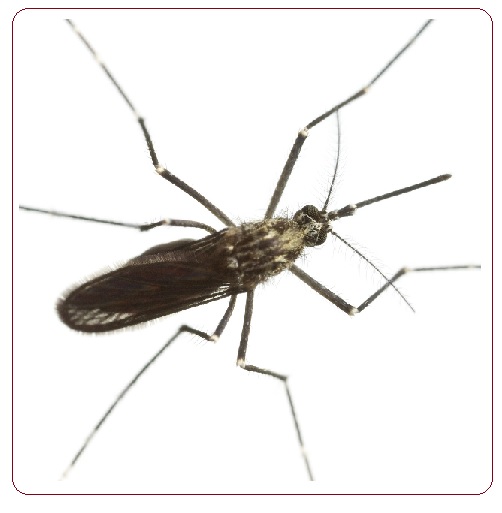
Excessive drinking among the applicants caused some men to be reduced in rank, and the numbers of desertions at Fort Dufferin rose in number. But, alcohol abuse was not the only problem; food for the men was limited and poorly prepared. Author Jack Dunn reported that most irksome were the poorly prepared and cooked meals, a concern that Commissioner French noted in his official report. Another unexpected irritation were mosquitoes — troublesome mosquitoes filled the air, and flew into the nostrils of the men as well as into the nostrils of the horses and cattle. Dunn described the pests, noting the Commissioner’s own words: that to be worked hard all day and to be pestered all night by mosquitoes was not encouraging to an ordinary individual. The men could not find peace while they slept, and it was no exaggeration when stories floated among the men how mosquitoes could drive both man and horse insane. Alcoholism, desertions, poor food, and mosquitoes were all ominous signs of the challenges which the men would face on the March West.
Finally, the day arrived. On July 8th, 1874, approximately 300 men, including NWMP Officers and horses set out from Dufferin, MB, on a grueling, two-month, 1,300 km march across the prairies.
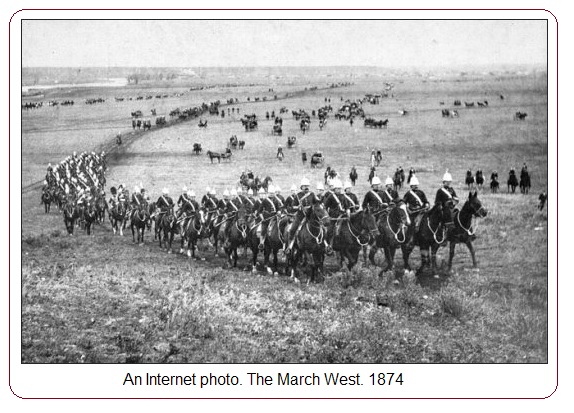
The March West would endure extreme weather, hunger and illness, and mosquitoes before reaching Roche Percée in southern Saskatchewan. It was here that Sub Constable Halpenny was selected as part of the group which established Fort Saskatchewan, Alberta, while still under the command of Inspector Jarvis.
The trials and tribulations of the NWMP while on the March West are well known, and are beyond the scope of this short story. But it should not be forgotten how Sub Constable Halpenny overcame these obstacles and performed his police duties in an exemplary manner. His leadership and his bravery throughout the March West in 1874 should never be diminished.
James Halpenny left the NWMP on May 31st, 1877 after his time of service in the NWMP expired. He farmed in Alberta until the early 1890s then moved to Yakima County, Washington, USA where he died on May 6, 1933 at age 77. James Halpenny was buried in the Tahoma Cemetery, Washington State, USA.
James Halpenny’s brother, Reg.#84A Sub Constable Joseph Halpenny also joined the NWMP but Joseph Halpenny joined after the March West. Joseph Halpenny died on June 20, 1910 in Anaconda, Montana. His place of burial is not yet known.
Reference
Dunn, Jack (2017). The North West Mounted Police: 1873–1885. Jack F. Dunn Publisher. Calgary, AB.
Reporting from Fort Healy,
J. J. Healy
May 23, 2019
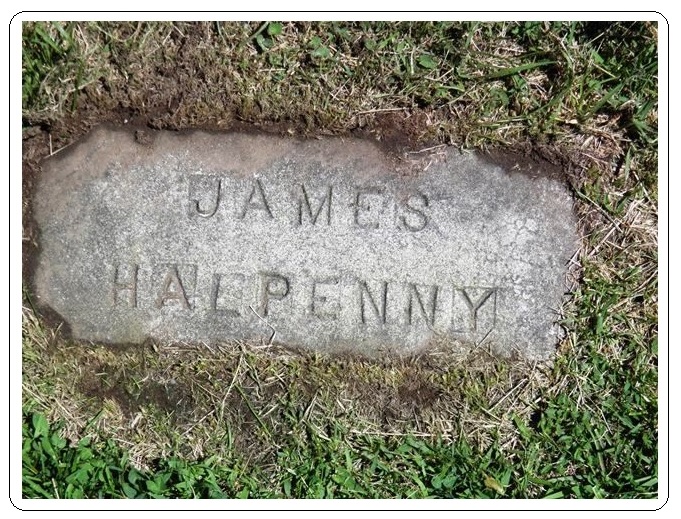
NWMP James Halpenny was buried in the Tahoma Cemetery, Washington State, USA Le membre de la NWMP James Halpenny a été inhumé au cimetière Tahoma, État de Washington, É.-U.
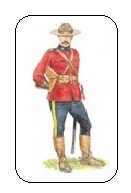
Reg.#o185 · Sub Constable James Halpenny · NWMP · Vet of the Month · May 2019 · rcmpgraves.com Matr.#o185 · Sous-constable James Halpenny · NWMP · Vétéran du Mois · Mai 2019 · rcmpgraves.com
↑ Back to Top ↑ Retour en Haut ← Back to Vet of the Month ← Retour au Vétéran du Mois