Service File Dossier de service
- Officer No.No. officier O.56
- RankGrade Superintendent · North West Mounted Police (NWMP) Surintendant · Police à cheval du Nord-Ouest (NWMP)
- NameNom Philip Carteret Hill Primrose
- BornNé October 23, 1864 · Pictou, NS 23 octobre 1864 · Pictou, N.-É.
- EducationÉducation Royal Military College (RMC), Kingston, ON Collège militaire royal (CMR), Kingston, ON
- CommissionedCommissionnement August 1, 1885 · NWMP 1er août 1885 · NWMP
- NotableNotable Established Stikine Detachment, 1898 · Boundary Post, Moors Landing, Stikine River, BC · Then Tagish, YT · Dispatched to Frank Slide disaster, April 4, 1903 · Led 24-man NWMP Contingent to Frank, AB Établit le détachement de Stikine, 1898 · Poste frontalier, Moors Landing, rivière Stikine, CB · Puis Tagish, YT · Dépêché au sinistre de Frank, 4 avril 1903 · Commanda un contingent de 24 membres de la NWMP à Frank, AB
- Retired NWMPRetraite NWMP April 15, 1915 15 avril 1915
- Post-retirementAprès la retraite Police Magistrate · Lieutenant Governor of Alberta (5th), appointed October 1, 1936 Magistrat de police · Lieutenant-gouverneur de l’Alberta (5e), nommé le 1er octobre 1936
- DiedDécédé March 17, 1937 · Died in office as Lieutenant Governor · Buried in Edmonton, AB 17 mars 1937 · Décédé en fonction comme lieutenant-gouverneur · Inhumé à Edmonton, AB
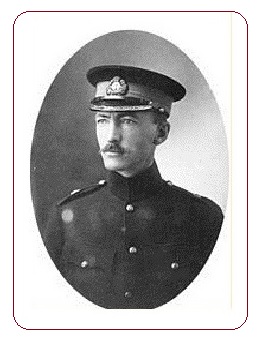
This short piece is dedicated to NWMP Superintendent Philip Carteret Hill Primrose — in 1898 he opened Stikine Detachment in northwestern BC accompanied by a small Contingent of North West Mounted Police (NWMP). He worked under the most difficult of conditions for most of his NWMP career and he was a witness to tragedy along the way.
One has to reflect on the harsh living conditions in northern BC in 1898, and the unpredictable circumstances under which the NWMP worked especially when one considers the influx of thousands of gold miners trudging their way to the Klondike. Whether or not difficult assignments such as Stikine affected Primrose’s health is only conjecture, but he died at a relatively young age.
Among the perils every person had to face to successfully reach the Klondike and the gold were: dangerous mountains to climb, unpredictable hot and cold weather, depression and loneliness, thoughts of suicide, mosquitoes, the lack of medical help, insufficient food supplies and treacherous travel by horse or mule over various water and land routes. In this particular case miners had two choices of travel, either through the US and Alaska or through the bogs and swamps of northwestern British Columbia and Yukon. All of these hardships may well have played on Inspector Primrose’s mind and body, and perhaps they had a detrimental effect on his overall health as the years rolled by. The need for a NWMP post at Stikine came about this way.
In his book Klondike, Canadian author Pierre Berton claimed that American gold diggers were not persuaded that the Alaska route was the most favourable route. Berton wrote that the Dominion rang with chauvinistic slogans about the wisdom and economy of staying on British soil for the entire journey, and that the pamphlets issued in favour of these Canadian trails were so alluring that many Americans chose them in preference to those that led through Alaska.
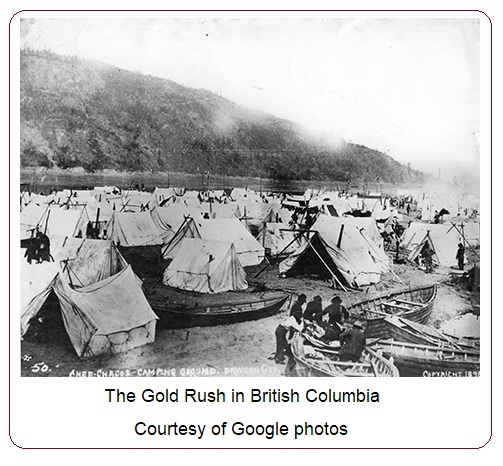
And so it was that thousands of Americans joined the Canadian stampede through northwestern British Columbia. One route through British Columbia was the Ashcroft Trail which ran north for a thousand miles to the Stikine River, while another stampede of miners worked their way inland from the Pacific Coast. Berton noted that the two trails came together at the river town of Glenora, which in March ‘98 was swollen with five thousand persons.
The sudden swarms of people moving northward gave concern to Ottawa — there was an immediate need for a police force in northwestern British Columbia to maintain the peace, as well as for other government officials such as Customs Officers to collect taxes.
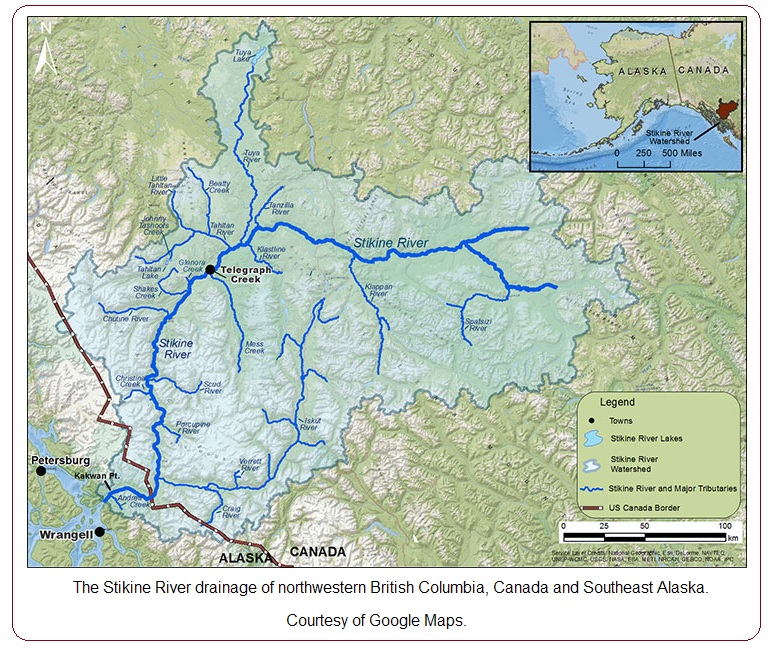
The North West Mounted Police (NWMP) was alerted to prepare to send men to the north. In 1898, Inspector Philip Primrose was ordered to create a new NWMP detachment on the Boundary Post known as Moors Landing at Stikine River.
Inspector Primrose’s Contingent left Regina via the Canadian Pacific Railway to Vancouver. The Contingent sailed to Fort Wrangell, Alaska on board the ship S.S. Tees. Upon debarking, the men arranged for the Hudson Bay’s ship Glenora to transport them to the Cottonwood Island at the mouth of the Stikine River. Primrose and the Contingent then traveled 35 miles upstream to their intended destination where they were to build Stikine Detachment. Then the NWMP Contingent went to work.
The following memo was taken from Inspector Primrose’s 1898 Stikine Report dated 15th November, 1898, Lake Bennett, p. 57 of the Yukon Section of the Report of the North-West Mounted Police 1898.
“Sir, In accordance with your instructions, I have the honour to make the following report of the Stikine River detachment up to the present date. Accompanied by Customs Officer John Turner, Sergeant-Major McDonell, nineteen non-commissioned officers and constables, four special constables, ten horses, nineteen dogs, four months’ supplies, necessary tools, hardware, etc. for building, tents and camp outfit, etc. I sailed on the 25th February 1898 from Vancouver on the Canadian Pacific Navigation Company’s steamer Tees, and reached Fort Wrangell, US on the 1st of March 1898 and was unloaded the same day.”
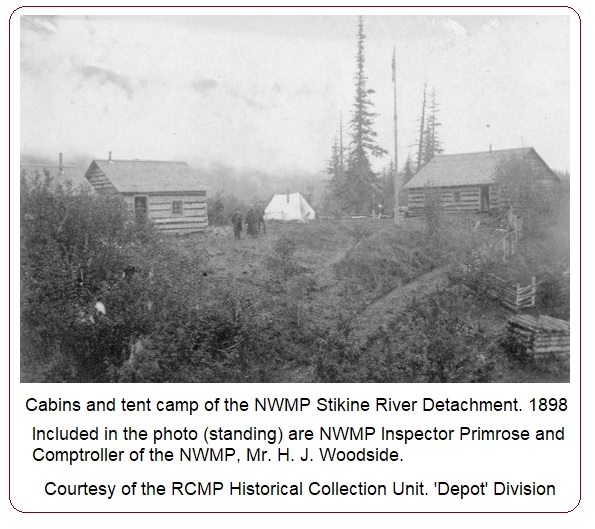
Philip Primrose was born in Pictou, NS on October 23rd, 1864. He attended the Royal Military College (RMC) in Kingston, Ontario and afterwards he received a Commission in the NWMP on August 1, 1885. He served in the North West Territories (now Saskatchewan and Alberta). With the Gold Rush on, he established Stikine Detachment on the Boundary Post known as Moors Landing, Stikine River, and then moved on to Tagish, Yukon.
On April 4th, 1903 there was a mountain slide on the town of Frank, AB. Inspector Primrose was dispatched to Frank along with a Contingent of 24 NWMP to assist in the recovery of survivors and to oversee the disaster. At least 76 people lost their lives in the slide, and most of the deceased were forever buried under the rock. Afterwards, Primrose was promoted to Superintendent before he finished his service with the NWMP at ‘Depot’ Division.
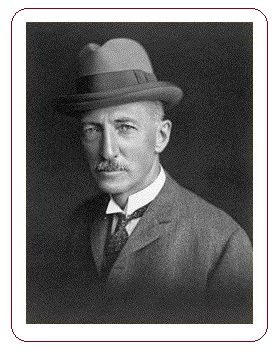
His police career was one of difficult challenges especially during the years of the Gold Rush. O.56, Primrose retired on April 15, 1915 and afterwards he was appointed a Police Magistrate. On October 1st, 1936 he was appointed Alberta’s fifth Lieutenant Governor.
Superintendent Primrose died in office on March 17, 1937 while serving as Lieutenant Governor. He was buried in Edmonton, AB.
Reference
Berton, Pierre (1972). Klondike: The Last Great Gold Rush, 1896–1899. Toronto: McClelland and Stewart Limited.
Reporting from Fort Healy,
J. J. Healy
September 23, 2019
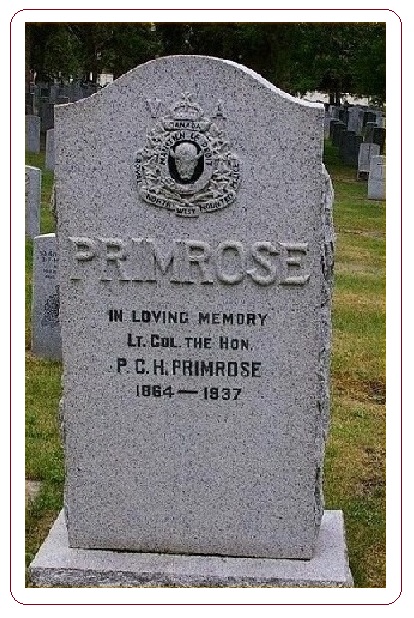
O.56 · Superintendent Philip C. H. Primrose · NWMP · Vet of the Month · September 2019 · rcmpgraves.com O.56 · Surintendant Philip C. H. Primrose · NWMP · Vétéran du Mois · Septembre 2019 · rcmpgraves.com
↑ Back to Top ↑ Retour en Haut ← Back to Vet of the Month ← Retour au Vétéran du Mois